Isaac South delivers a stirring message centered on the humility and self-sacrifice of Jesus Christ, focusing on the theme of Jesus having "no reputation." South contrasts the human desire for a good reputation with Christ's deliberate choice to strip himself of his divine status to serve humanity.
Core Themes
Human Reputation vs. Divine Humility: South acknowledges that in our "carnal Adam nature," building a reputation through our careers and character is important, but notes that Jesus chose the opposite path.
The Definition of Meekness: Using the Greek context, South defines meekness as not being "overly impressed by a sense of one's own self-importance" and being gentle and considerate.
The "Lowly" Status of Christ: He explains that "lowly" (tapeinos) refers to a low social status or being a servant, which Christ embraced despite being 100% God.
The Duality of Christ: South emphasizes that while Jesus was meek and lowly, he never lost his divine strength or power as the Creator and Deliverer seen throughout the Bible.
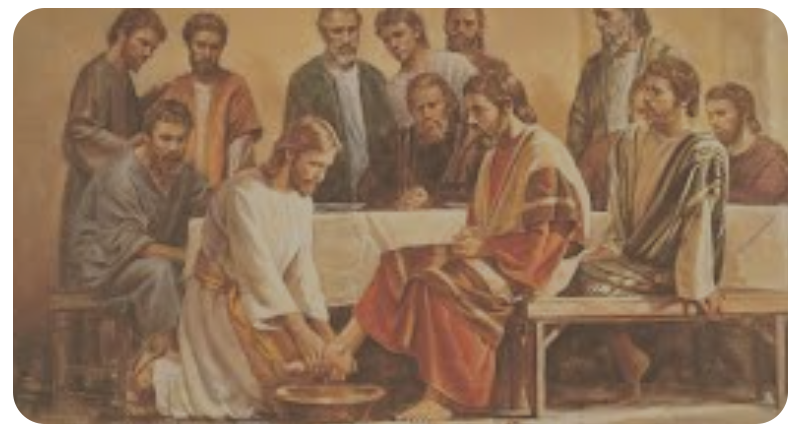
The Example of the Last Supper: Jesus demonstrated his "downward step" of humility most clearly by removing his outer clothing to wash his disciples' feet.
Scriptural References
The sermon is anchored in several key passages:
Philippians 2:6-8: The primary text, describing how Christ made himself of "no reputation" and took the form of a bondservant.
Matthew 11:29: Where Jesus describes himself as "meek and lowly in heart".
Zechariah 9:9: Prophesying the coming Messiah as gentle/meek.
John 1:1: Confirming that "In the beginning was the Word, and the Word was with God, and the Word was God".
Revelation 1:10-18: John’s vision of the glorified Christ as the Alpha and Omega, with eyes like a flame of fire and a voice like many waters.
Exodus (The Tenth Plague): South draws a parallel between the Passover lamb and Jesus taking the "tenth plague" (death) upon himself on the cross.